West Nile Virus Detected in Nashville Mosquitoes for First Time This Season, Officials Urge Caution
Public health authorities in Nashville have confirmed the presence of West Nile virus in local mosquito populations, prompting a city-wide alert for residents to implement protective measures.
Health·
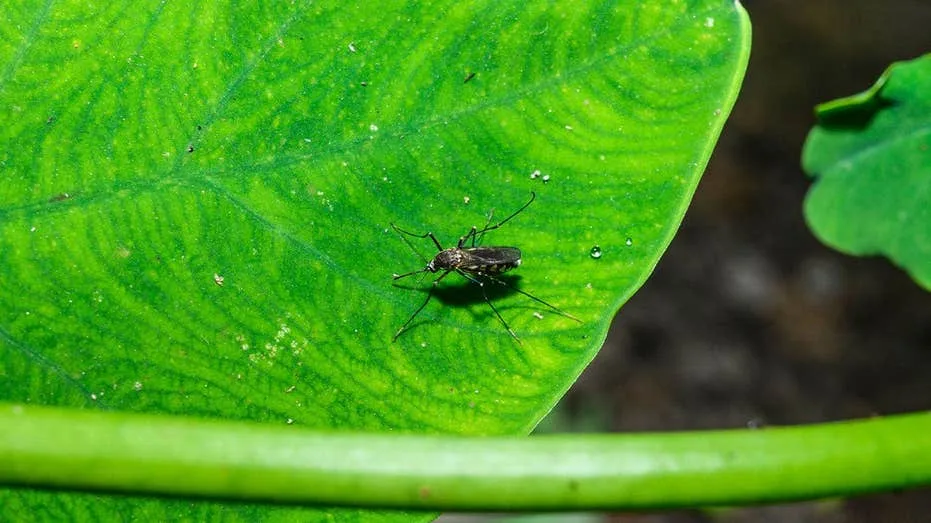
Health officials in Nashville are advising residents to take protective measures against mosquito bites after West Nile virus (WNV) was identified in local mosquito populations for the first time this year.
The Metro Public Health Department (MPHD) announced that the virus was found in a mosquito sample collected near Cass Street in North Nashville. This marks the city's initial detection of WNV in 2026 and represents the earliest positive mosquito sample recorded this season.
This discovery follows a period of elevated West Nile virus activity in mosquito populations during 2025, which included one confirmed human case of the illness.
"We can all play a role in reducing the presence of mosquitoes in our community, making our outdoor areas both more pleasant and safer from mosquito-borne diseases like West Nile virus," stated Dr. Sanmi Areola, director of health at the Metro Public Health Department. "As our team educates those in the area where West Nile virus was found, we hope the rest of our community does what they can to protect themselves and their families from mosquitoes this summer."
Understanding West Nile Virus Risks
According to the Centers for Disease Control and Prevention (CDC), West Nile virus is the most common mosquito-borne disease in the United States. While most individuals infected with the virus do not experience symptoms, approximately one in five may develop mild symptoms such as fever, headaches, body aches, vomiting, diarrhea, or a rash.
A more serious neurological illness, which can affect the brain or spinal cord, occurs in less than 1% of infected individuals. Older adults and those with compromised immune systems face the highest risk of developing these severe complications.
Public Health Response and Prevention
Public health officials conduct routine trapping and testing of mosquitoes throughout the warmer months to monitor for WNV activity. A positive mosquito sample serves as an early warning that the virus is circulating locally, though it does not automatically indicate human infections will occur.
In response to the recent positive test, MPHD crews are distributing educational flyers in the affected neighborhood. They are also increasing mosquito trapping efforts, monitoring areas with standing water, and applying larvicide where necessary to help control mosquito populations. The department clarified that it does not use insecticide spraying to eliminate adult mosquitoes.
Residents also have the option to request a complimentary backyard inspection from the department's Pest Management team. This service helps identify potential mosquito breeding grounds on private property.
To help prevent mosquito bites and reduce the risk of WNV and other mosquito-borne illnesses, health officials recommend several actions:
- Eliminate Standing Water: Regularly empty and clean bird baths, flowerpots, buckets, old tires, children's toys, and any other outdoor containers where mosquitoes can lay eggs.
- Maintain Yard Hygiene: Trim overgrown vegetation around homes, as this can create shaded, damp areas where mosquitoes rest.
- Use Repellents: Apply EPA-approved insect repellents containing active ingredients such as DEET, picaridin, or oil of lemon eucalyptus when outdoors.
- Dress Appropriately: Wear long sleeves and pants during peak mosquito activity hours, typically around dusk and dawn.
- Ensure Screen Integrity: Verify that window and door screens are in good repair to prevent mosquitoes from entering homes.
Officials emphasize that collective efforts to reduce mosquito breeding sites around homes are crucial for lowering the risk of West Nile virus and other mosquito-borne diseases across the community.
Related Stories

Examining Taser Effectiveness: Why Body Composition and Other Factors Can Impede Their Function
A Times Square stabbing incident where Tasers failed to subdue a suspect has sparked discussion on their effectiveness. Experts explain how factors like clothing, probe placement, and body composition, particularly
Sep 6

New Study Suggests High Daily Coffee Consumption May Affect Bone Density in Older Women
New research from Flinders University suggests that consuming five or more cups of coffee daily could be linked to lower bone mineral density in postmenopausal women. Conversely, tea consumption was associated with
Sep 5

Cannabis Edibles Pose Hidden Driving Risk Despite Low Blood THC Levels, Study Suggests
New research reveals that driving under the influence of cannabis edibles can substantially hinder road performance and slow reaction times. This impairment occurs even when blood THC levels remain below typical legal
Sep 3

Louisiana Girl Dies After Suspected Brain-Eating Amoeba Infection Linked to Lake Swim
An 8-year-old Louisiana girl passed away from a suspected Naegleria fowleri infection, a brain-eating amoeba, following a swim in Lake Claiborne. Her family confirmed the tragic loss, which occurred just one day after
Aug 24