Supreme Court Justices Urge Reconsideration of Landmark Libel Precedent, Echoing Trump's Concerns
Two conservative Supreme Court justices expressed dissent over the majority's decision to decline a defamation case, advocating for a review of the 'actual malice' standard established in a pivotal 1964 ruling.
Politics·
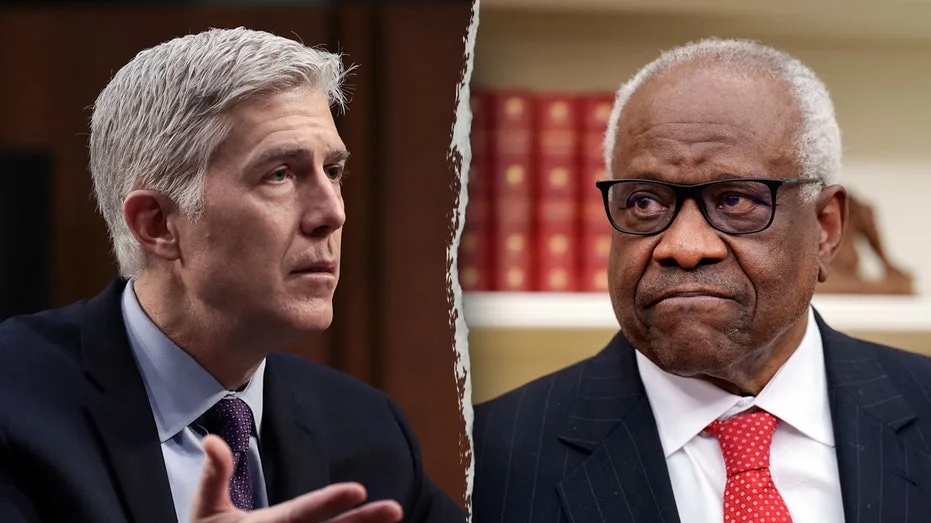
Two of the Supreme Court's conservative members have voiced strong criticism regarding the majority's choice not to consider attorney Alan Dershowitz's defamation lawsuit against CNN. They contended that the High Court missed a significant chance to re-evaluate a contentious defamation standard dating back to the 1960s.
The dissenting opinions from the court's conservative wing effectively urged a reconsideration of established libel doctrine, resonating with calls made by former President Donald Trump in 2016 for reforms to American libel statutes.
Dershowitz, known for representing prominent figures such as Trump, O.J. Simpson, and Leona Helmsley, alleged that CNN deceptively edited a segment of his defense during Trump’s first impeachment trial concerning "quid pro quo[s]". He claimed the edited clip was designed to misrepresent his complete statements, thereby harming his professional standing.
The *Sullivan* Precedent Under Scrutiny
Justices Clarence Thomas and Neil Gorsuch, appointed by Presidents George H.W. Bush and Trump respectively, took issue with their colleagues' reliance on the "actual malice" standard when assessing whether CNN defamed Dershowitz. They argued that this standard lacks constitutional foundation and was instead an invention of the Supreme Court's pivotal 1964 ruling in New York Times Co. v. Sullivan.
"Predictably, Dershowitz did not prevail under that exacting standard, which this Court created in New York Times Co. v. Sullivan. Dershowitz now asks this Court to overrule Sullivan and related precedents," the conservative justices wrote in their dissent.
"All the judges agreed that CNN lied about me," Dershowitz stated on Monday. "But the majority ruled, over dissents, that I had to prove actual malice by clear and convincing evidence— an impossible standard that I believe will be overruled in years to come."
The Sullivan litigation originated from a libel suit filed by a Montgomery, Alabama, commissioner against The Times over a full-page advertisement criticizing the city's treatment of civil rights protesters. Despite not being explicitly named in the advertisement, an Alabama jury initially granted damages to L.B. Sullivan. The Supreme Court subsequently overturned this verdict, establishing that a public official must demonstrate "actual malice"—meaning the statement was known to be false or made with reckless disregard for its truth—to succeed in a defamation claim.
"The actual-malice standard for public figures bears no relation to the text, history, or structure of the Constitution," Thomas and Gorsuch asserted on Monday in their comments on Dershowitz’s case. "Instead, the founding generation believed that, if anything, public figures had stronger claims for damages when they were defamed."
Historical Context of Defamation Law
As a historical illustration, Thomas and Gorsuch referenced the Sedition Act of 1798, which set a significantly lower evidentiary bar for defamatory remarks concerning government officials. Under this law, then-Representative Matthew Lyon, a Democrat from Vermont, faced prosecution for depicting President John Adams as someone possessing an "unbounded thirst for ridiculous pomp, foolish adulation and selfish avarice" during a period of American tensions with France.
President Thomas Jefferson permitted the statute to lapse in 1801 and issued pardons to numerous individuals who had been prosecuted under it.
Calls for Libel Law Reform
More recently, former President Trump has advocated for relaxing American libel statutes, expressing sentiments akin to those articulated by Justices Thomas and Gorsuch regarding the court's defamation jurisprudence.
While campaigning for president in 2016, Trump vowed, if elected, to "open up our libel laws" to challenge what he frequently termed the "fake news" ideological establishment.
"Journalists who write purposefully negative and horrible and false articles — we can sue them and win lots of money," Trump stated at the time.
He frequently singled out the network CNN, notably engaging in public disputes with its then-White House correspondent, Jim Acosta. During a 2017 news conference, Acosta's repeated interruptions prompted the president to instruct him not to "be rude." President Trump then informed Acosta that he would not be answering his question, stating, "you are fake news."
"We're going to open up libel laws, and we're going to have people sue you like you've never got sued before," Trump declared at the 2016 event, also mentioning The Times and The Washington Post.
Future of Defamation Law
The High Court's decision, coupled with Trump's separate legal action against the network for its characterization of his 2020 election claims as the "Big Lie," suggests a potential, albeit currently improbable, future re-evaluation of the Sullivan precedent.
Related Stories
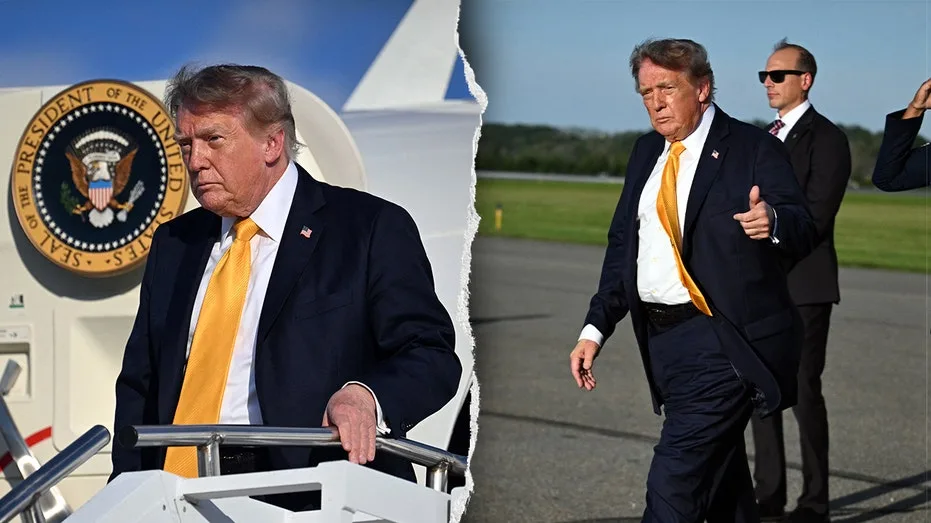
Former President Trump's Apparent Hair Color Change Ignites Online Discussion
Former President Donald Trump's hair appeared noticeably darker on Friday, sparking extensive online discussion. Photos showed him arriving in New Jersey with a brunette-like hue, leading to numerous social media
Sep 6
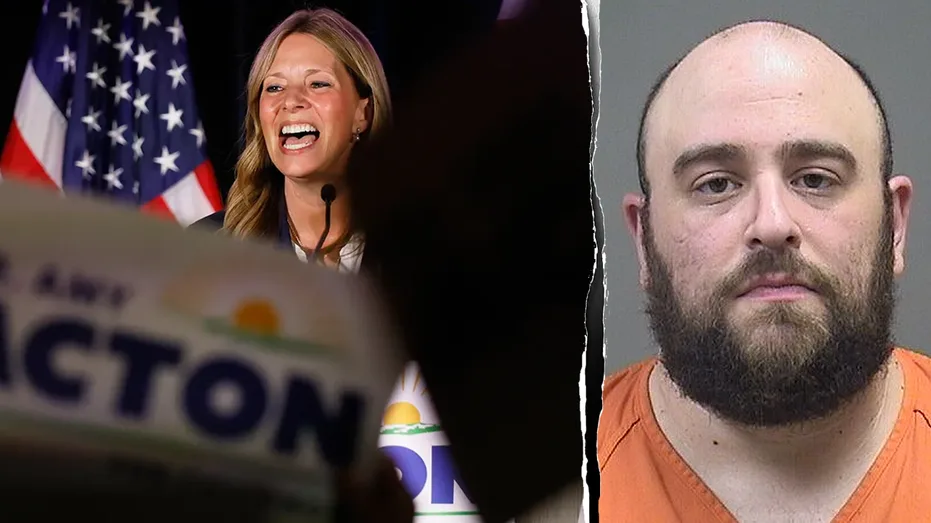
Armed Man Detained After Forcibly Approaching Ohio Gubernatorial Candidate Amy Acton at Fair
A man carrying a taser and two pistols was arrested at the Canfield Fair after allegedly assaulting multiple attendees while attempting to confront Ohio gubernatorial candidate Amy Acton. Acton was unharmed in the
Sep 6
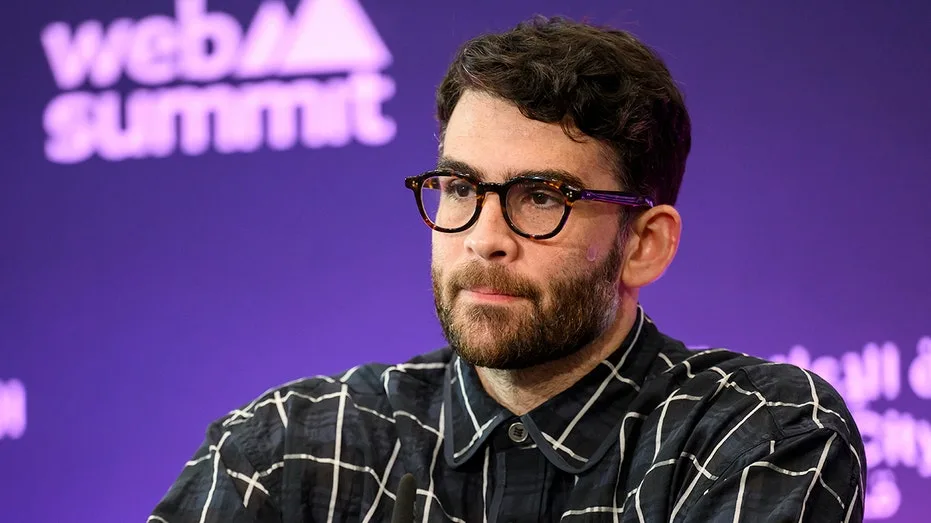
Hasan Piker Defies Democratic Critics, Names Alexandria Ocasio-Cortez His 2028 Presidential Choice
Hasan Piker, a prominent progressive streamer, has rebuffed Democratic Party criticisms of his polarizing comments. He asserts his independence from party image, clarifies past statements, and announces his support for
Sep 6
House Democrats Prepare Extensive Investigations Into Trump Administration if They Secure Majority
House Democrats are poised to launch a series of investigations into former President Donald Trump, his family, and administration officials if they win a majority in the upcoming midterm elections. Key figures like
Sep 6