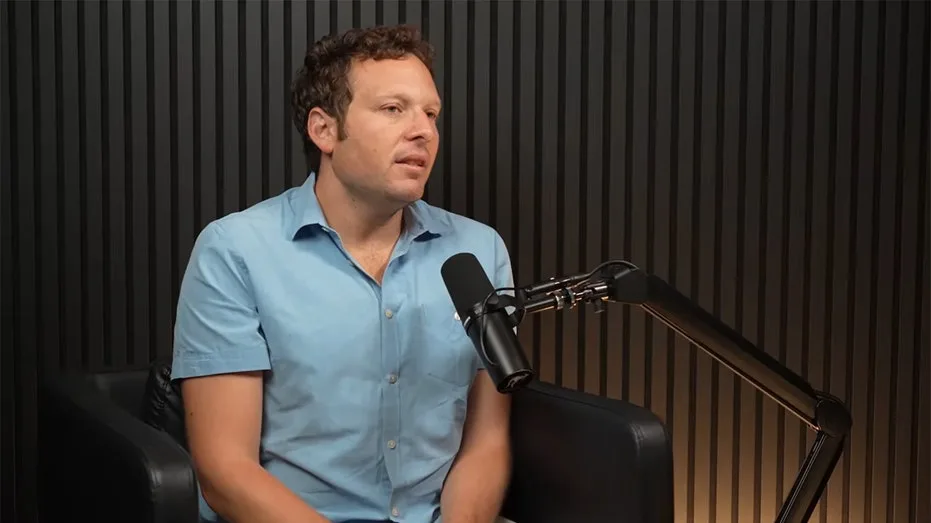
Ross Barkan, a former writer for New York Magazine and the editor-in-chief of The Metropolitan Review, has once again issued an apology in response to multiple plagiarism accusations. On Wednesday, Barkan announced his intention to “self-reflect” and step away from his work temporarily.
“Let me first begin by saying I'm sorry. I truly am sorry for the mistakes I made,” Barkan wrote on X. “None of them, genuinely, were willful or intentional. In the course of writing many columns a week, I did not use citations as aggressively as I should have and did not paraphrase well enough. I never intended to crib from anyone's work. I promise all of you that. I recognize, though, how I failed. I am sorry to the journalists whose work I did not properly cite.”
“I'm going to take some time away and self-reflect,” he added. “I promise to do a much better job going forward.”
Last week, Barkan had hinted at an upcoming event in September for The Metropolitan Review in an X post, but no further details have been provided since his recent statement. He has not yet clarified whether he will continue in his role at The Metropolitan Review.
Initial Allegations Surface
The controversy first surfaced in May when Drew Harwell, a reporter for The Washington Post, accused Barkan of using material from his report on conservative commentator Ben Shapiro and his platform, The Daily Wire, in one of Barkan’s own columns. Following Harwell’s public highlighting of similarities between the two pieces, New York Magazine updated its article, including an editor’s note that credited The Washington Post. Harwell, however, expressed uncertainty regarding the full extent of the situation.
Subsequently, Bobby Allyn, a correspondent for NPR, identified additional instances where Barkan appeared to have mirrored phrases and descriptive language from articles published in The Intercept and Compact Magazine in other reports he authored.
Publication Concludes Investigation
Barkan initially refuted these claims, labeling them as “ridiculous.” However, New York Magazine announced on Friday that it would discontinue its association with Barkan. This decision came after an internal investigation determined that he “did not adhere” to the publication’s editorial standards concerning proper citation.
In a statement obtained by Semafor, the publication explained, “After an independent editorial review, New York found that Ross Barkan did not adhere to our editorial standards, and we have updated 67 columns that did not include proper attribution of language, information, and/or sourcing.”
The statement further noted, “We have updated our archives to include proper attribution in all of the stories that our review found previously inadequate, noting that those updates were made, and are committed to addressing any other instances that come to light.”