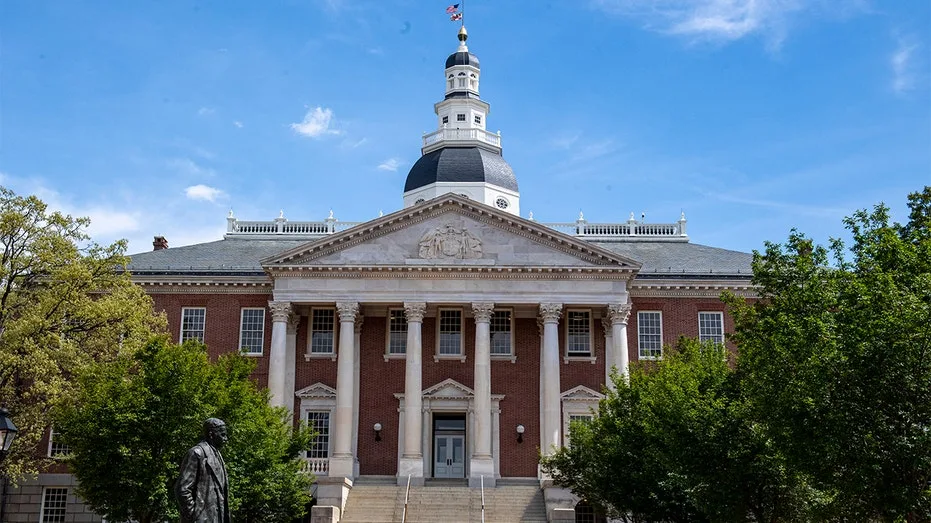
A lawsuit recently filed in Maryland aims to prevent a proposed redistricting amendment, supported by Democratic Governor Wes Moore, from being placed on the November ballot. The legal action asserts that state officials moved forward with the measure after legislative analysts for the state had already determined that the legal deadline for certifying ballot questions had passed.
The Oversight Project, which initiated the lawsuit alongside Republican legislators, contends that if approved, the amendment could potentially lead to an 8-0 Democratic delegation in the state's congressional representation.
The Proposed Amendment and Its Potential Impact
The legislative proposal, known as HB 2100, would ask Maryland voters to amend the state's constitution. The core change would be to eliminate the application of existing state constitutional standards, which govern compactness and boundaries, to congressional districts.
The Oversight Project describes its mission as working "to expose and root out corruption in government, among elected officials, and in our most influential organizations to ensure power resides with the American People."
According to the complaint, the amendment is designed to nullify the practical effects of a 2022 state court decision that affirmed the application of these constitutional standards to congressional redistricting processes. Currently, Democrats hold seven of Maryland's eight U.S. House seats.
Allegations of Missed Deadlines and Procedural Irregularities
The lawsuit cites a fiscal note from the Department of Legislative Services, which states that "the new statutory deadline of July 1 for certification of ballot questions" had already elapsed. This fiscal note also highlighted that election officials are mandated to publicly display the complete text of any proposed constitutional amendment at least 90 days prior to Election Day.
The complaint further details that the phrase "notwithstanding any other provision of law" was added to HB 2100 by lawmakers less than an hour before a joint committee hearing commenced. The plaintiffs argue this language was an attempt to circumvent Maryland's established requirements for certification, public notice, and public comment, after the respective deadlines had already passed.
Democratic sponsors in the House reportedly characterized the amendment as merely "technical," while discussions in the Senate indicated that lawmakers were aware the statutory timeline could no longer be met. The filing includes remarks from Democratic state Senator Cheryl Kagan during floor debate:
"There is no time to comply with the plain language of the law with our new law because July 1st is in the rearview mirror," Kagan stated, according to the complaint. "There's no time to have the Secretary of State draft language, to have it published, to have a comment period, to have it modified. It's just not an option."
Republican lawmaker Morgan commented on the situation, stating, "They have the law. They're supposed to follow it. They didn't. And now we're going to take it to court and see what the judges have to say about it."
Morgan also noted that Democratic leadership later referred to the amendment as "technical" on the House floor. He suggested, "The truth is that that was their way of trying to get around them missing all these statutory deadlines."
Republican Delegate Kathy Szeliga, another plaintiff in the case, emphasized that legislators had only a few hours to review the revised language, with no opportunity for public input or comment.
Governor Moore's Stance and Legal Relief Sought
Governor Moore has publicly defended the amendment, presenting it as a response to redistricting efforts led by Republicans in other states. He asserted that the measure would ensure "Marylanders — and no one else — have the final say over their representation."
The lawsuit petitions the court to prohibit state officials from certifying, printing, distributing, tabulating, or canvassing votes related to the amendment. Given the approaching election calendar, the plaintiffs have also requested an expedited review of the case.