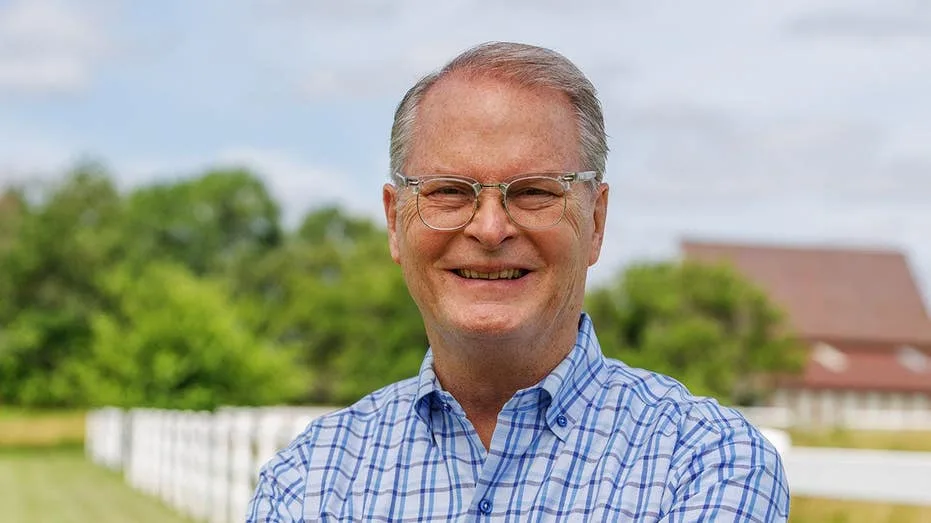
Kansas Democrats have selected their candidate in a highly contested primary election, choosing a political newcomer who has demonstrated remarkable fundraising capabilities.
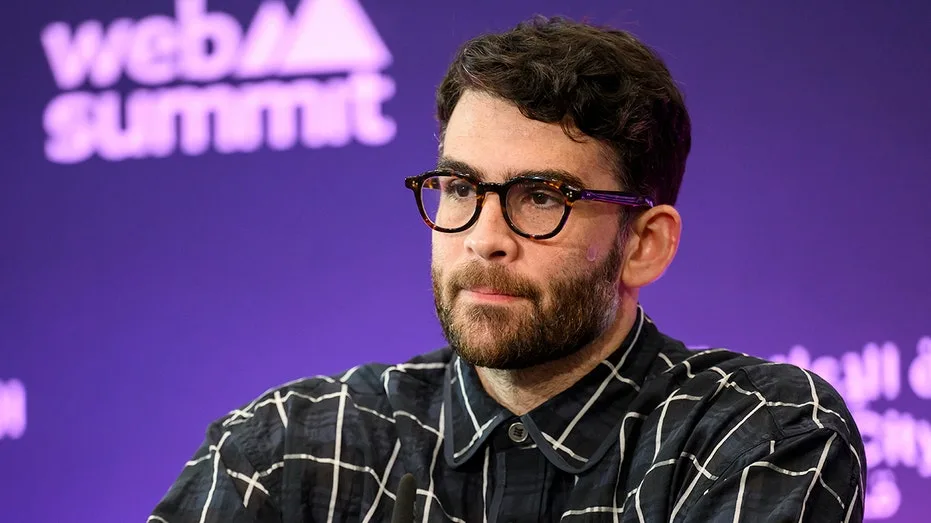
Adam Hamilton secured victory in an 11-candidate primary on Tuesday evening, earning the right to contend against incumbent Senator Roger Marshall, a Republican seeking a second term in the upper chamber.
Challenging the Incumbent
Senator Marshall's campaign has already prepared a line of attack against Hamilton, signaling the intensity of the upcoming general election.
Roger Marshall would rather attack a church whose community is one of the largest sources of food donations in his alleged home state than talk about why he constantly votes for higher prices, why he’s been hiding from Kansans for over 500 days, and why only 27 named Kansans donated to his campaign last quarter.
Tyson Brody, a spokesperson for Hamilton's campaign, issued that statement, highlighting key areas of criticism against the incumbent senator.
Historical Odds and Financial Dynamics
Senator Marshall benefits from significant historical precedent. He previously served four years in the House before his successful election to the Senate in 2020. Kansas has not sent a Democrat to the U.S. Senate in nearly a century; the last was George McGill in the 1930s, who served just one term before being unseated by a Republican.
Despite this historical advantage, Marshall is not complacent, especially as he anticipates another potential funding disparity in his re-election bid.
National Republican organizations are not allocating substantial resources to Kansas, unlike some other states. This strategic decision is largely due to Marshall's strong incumbent status and the necessity to direct valuable campaign funds to more competitive races in states like Texas, Maine, and Ohio.
However, while Kansas is not currently considered a battleground state by Senate Republicans, a considerable influx of money into the race could still complicate Marshall's path to a second term.
Hamilton, who presides over the nation's largest United Methodist church and its congregation, has raised just over $4.1 million since launching his campaign in February, according to financial disclosures filed with the Federal Election Commission.
In comparison, Senator Marshall has accumulated slightly more than $6.2 million during the current election cycle.
Campaign Strategy and National Support
Regarding the financial aspect of the race, Senator Marshall commented,